
Why Smart People Still Fall for Cults


Why Humans Keep Creating Cults
In 1978, over 900 people died in a place called Jonestown. Were they stupid or weak?
No. They believed they were right.
And before you distance yourself from them, the same forces that lured them in are still working today. And if you think you’re immune; you might be the kind of person who isn’t. Here’s the thing about cults; they don’t start with manipulation, control, or Kool-Aid. They start with three things.
Charisma. Crisis. Certainty.
That’s the formula. Almost every cult in history, from Jonestown, Heaven’s Gate to the wellness influencer with four million followers selling you a $300 snake oil supplement protocol, they all run on this engine.
Charisma
First charisma. Not charm. There’s a difference. Charm is likeable, charm is cute. We often say someone has charisma when what they really have is charm. Charisma is gravitational. It pulls you in before you’ve decided to move. Before you’ve consented to being pulled. Researchers who study high-control groups describe charismatic leaders as having an almost uncanny ability to make you feel seen; specifically seen,1 not generally appreciated, not welcome to our community. Something more precise; it feels almost supernatural.
Jim Jones did more than preach to a congregation. He would call people out by name. He’d recall details about their lives they’d mentioned once, months ago; it was a sick mother, a job loss, a fear they’d shared with someone else entirely. He made people feel chosen. Not chosen collectively, the way a congregation feels chosen as the Church, but that they were unique. Special.2
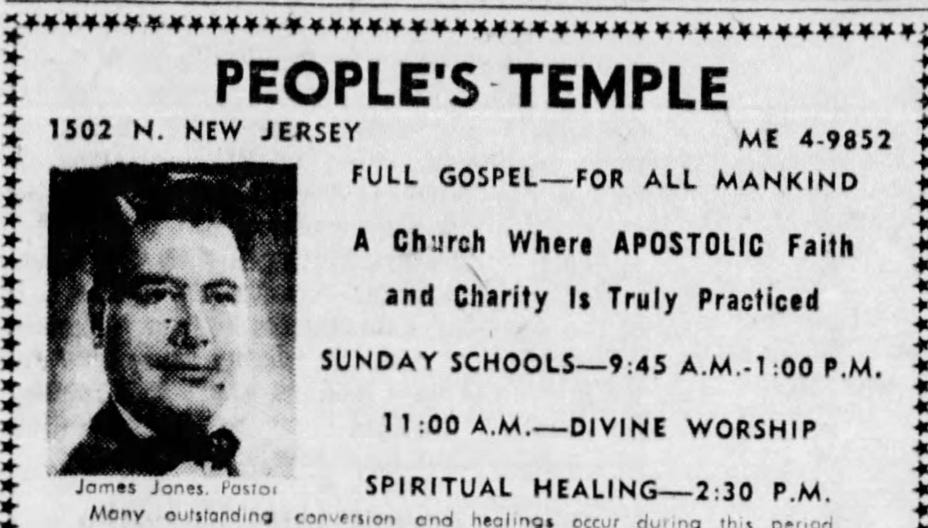
Before Jonestown, before Guyana, before the Kool-Aid, Jim Jones was a celebrated pastor. Peoples Temple in Indianapolis was genuinely progressive, one of the most racially integrated congregations in 1950s America. Jones got formal commendations. He was appointed director of the Indianapolis Human Rights Commission. He fed and housed people. He genuinely did real good. The charisma came first, over time the control slowly grew.
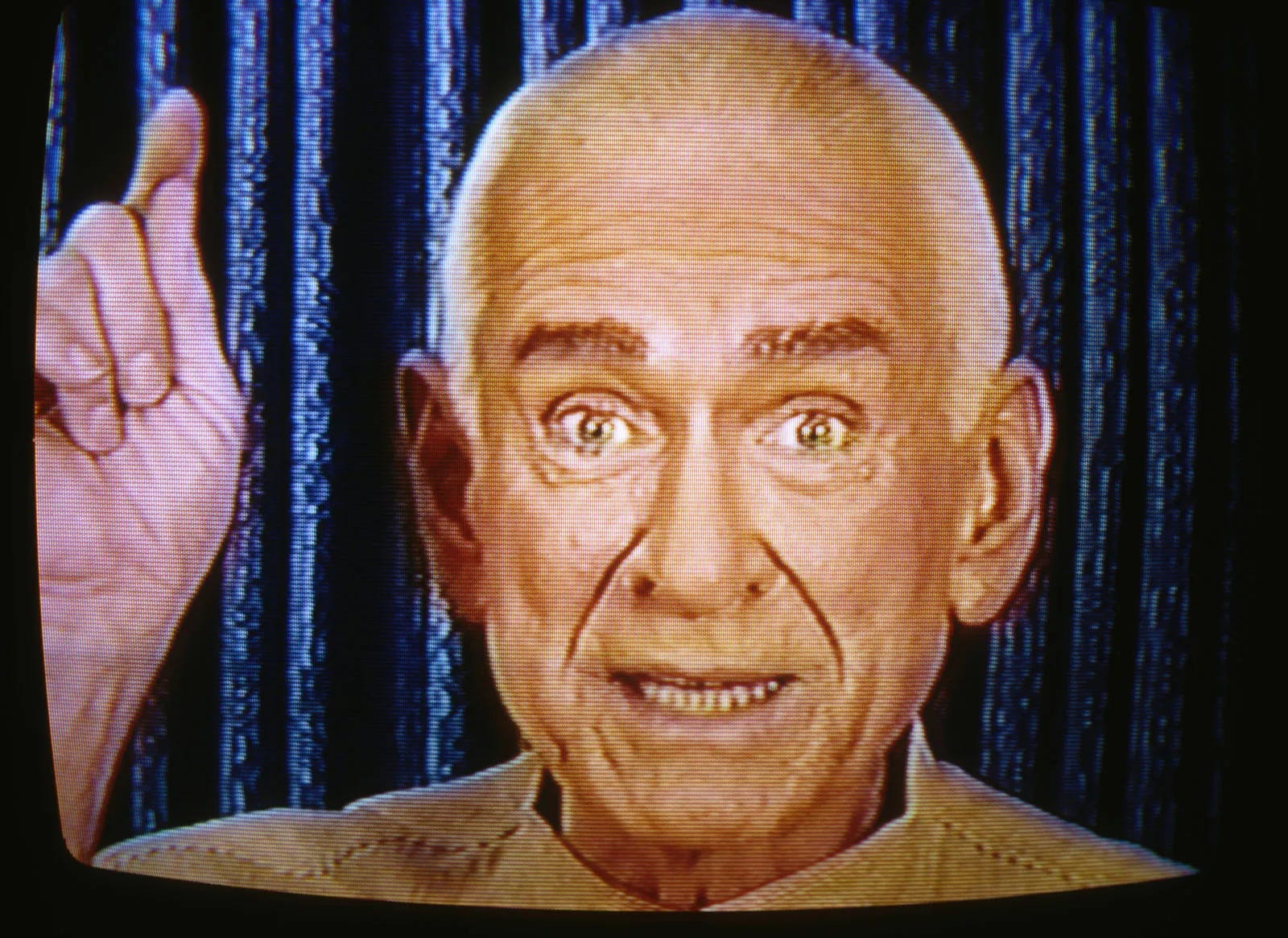
Marshall Applewhite, the founder of Heaven’s Gate,3 was a former music teacher and failed opera singer. On paper, he didn’t check the boxes of a cult leader; but he had a certain quality. Former members consistently described Applewhite as having an intense, almost penetrating gaze that made them feel personally seen; as if he could look straight through them.4 His early recruiting meetings in the 1970s drew crowds who came out of curiosity and left convinced they’d met someone touched by something beyond this world.
The Church Pipeline
Most cults in history didn’t start as cults. They started as churches, spiritual communities, a Bible study in someone’s living room with eight people. Then somewhere along the way, not in one dramatic moment, but across dozens of minor shifts, the community stopped being about God or gods or any religious presence and started being about the pastor, the guru, the leader.
There’s a reason religious institutions are uniquely vulnerable to this. From day one a church asks you to surrender your skepticism. I don’t believe this is manipulation but theological. Faith, by definition, requires believing something you cannot prove. Submitting to a higher authority. Trusting that someone or something knows more than you do. As a pastor, I believe this is true. For most people going to church, that’s a big part of the point. You are surrendering to the belief that there is a God who created the world, created you, and wants you a part of His kingdom.
But as a pastor in a church context, I can’t deny that it does create a pre-softened entry point for a charismatic personality. The congregation has already been culturally trained to receive authority from the front of the room. They’ve already been told that doubt is something to overcome, not honor. They’ve already learned that the leader has a direct line to something they don’t. A charismatic pastor doesn’t have to build the framework, it’s already embedded.
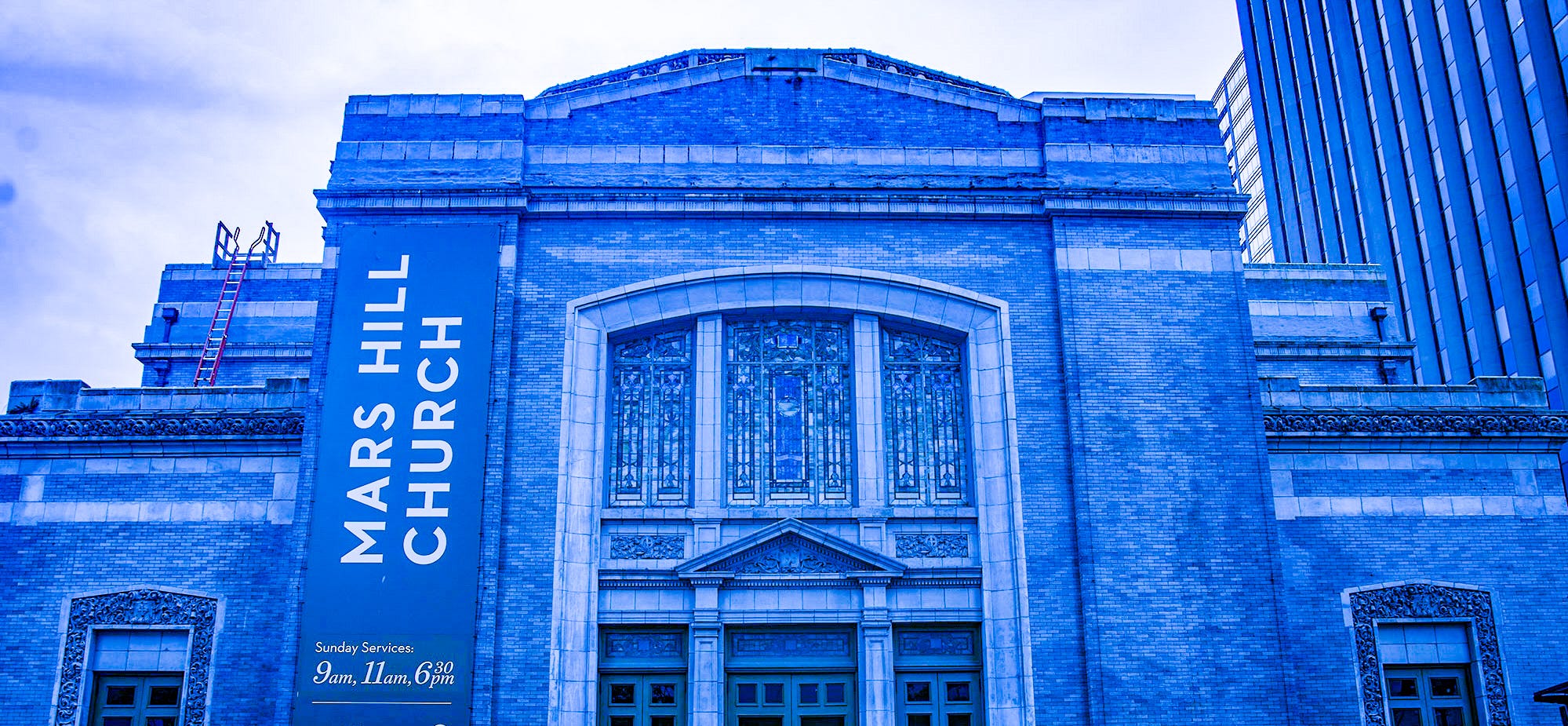
Take Mark Driscoll and Mars Hill Church in Seattle.5 By the early 2000s, Mars Hill was one of the fastest-growing churches in America; thousands of young, educated, culturally savvy people who thought organized religion was dead until they found this. Driscoll was electrifying. Brutally funny. Theologically serious. He made Christianity feel urgent again.
I can remember being 21 years old, a senior in college and listening to a message he preached from first Peter—it was captivating. I listened to the sermon over and over again. It was about the call to be a godly man, to rise up, to make a difference. Then I graduated college, went to seminary, and became a pastor, and I was attending church conferences where he spoke and noticed as he addressed pastors it felt different. The electric charisma was there, but the tone, the authority, the way he spoke felt more like a chairman speaking to a board than a pastor encouraging other pastors.
Over the years at Mars Hill, things shifted. Former elders and members describe a culture of total submission to Driscoll’s authority. Questioning his decisions (even privately, among leadership) was treated as spiritual rebellion. His style of preaching, which started as bold, gradually became consuming. The church’s identity and Driscoll’s identity became enmeshed and impossible to separate. When the structure finally collapsed in 2014, it wasn’t because of one scandal. It was because the entire architecture had been built around one man’s charisma and charisma, it turns out, is not load-bearing.
Or take Bill Hybels and Willow Creek or Brian Houston and Hillsong. Or the dozens of megachurch pastors whose stories follow a consistent pattern: extraordinary personal magnetism, explosive growth, a culture of unquestioned loyalty, a hidden private life, and a collapse that destroys thousands of people who genuinely believed.
The victims aren’t gullible, that’s a misnomer. They’re people who wanted community. Who wanted meaning. Who found someone who seemed to have it and they gave that person more and more of themselves until there was nothing left.
What Charisma Actually Is
Charisma isn’t magic. It’s a cluster of learnable, observable behaviors that trigger specific neurological responses.6 Eye contact held just slightly longer than normal. Mirroring body language. Speaking in cadences that rise and fall with emotional precision. Using your name. Remembering small details. Creating the experience of you feeling like you are the only person in the room.
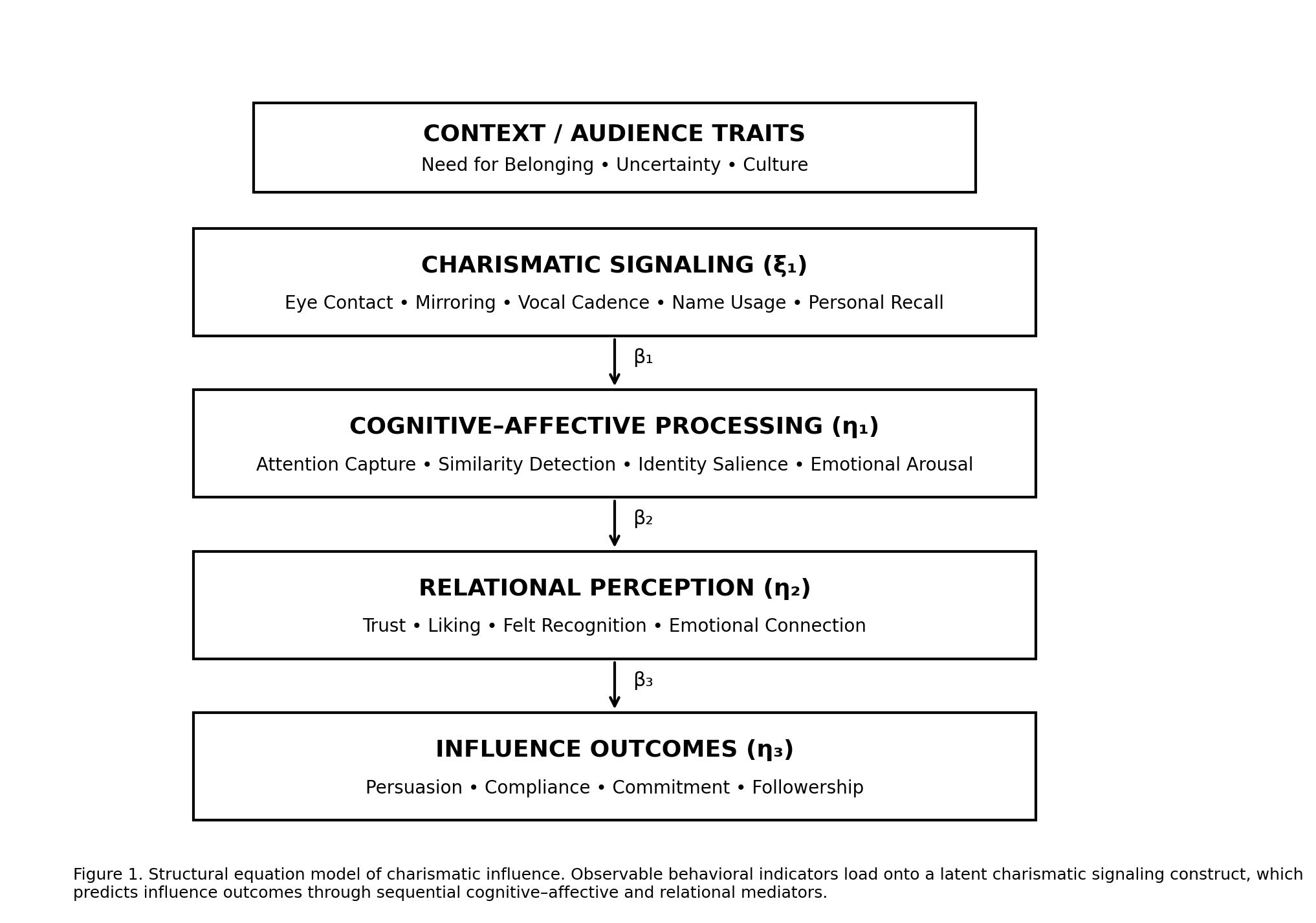
These behaviors activate the brain’s reward circuitry, oxytocin; the bonding hormone and dopamine; the reward and motivation neurotransmitter. They are the same chemicals that make you feel safe with a person you love. A charismatic leader does more than earn your trust intellectually. Whether it’s performed knowingly or unknowingly they chemically install it. Once that bond is formed, your brain works to protect it.
This is motivated reasoning and it’s the mechanism by which intelligent, critical thinking people end up defending behavior they would have found unconscionable a year earlier.7 Because the alternative of admitting the bond was built on something false is neurologically experienced as loss. Grief. As a kind of death. So you don’t. You find reasons. You adjust your interpretation. You tell yourself that the people leaving are the ones who didn’t understand. They weren’t strong enough. They had their own issues. The charismatic figure doesn’t have to control your thinking. Your own brain does it for you.
There’s one more layer here that makes churches uniquely vulnerable. In a secular context, a charismatic leader still has to answer (at least theoretically) to something external. A board. A market. A law. Shareholders. Results.
In a religious context, the leader can claim to answer only to God. And God, conveniently, tends to agree with the pastor. The theological term for this is spiritual authority and in healthy churches, it’s real; but has boundary markers. The pastor leads, but the congregation has recourse. There is accountability through elders, a board, a denomination, an ecclesiastical structure.
But a charismatic personality over time, will erode those checks. Not necessarily maliciously, often for them it’s genuine, they really do believe they’re hearing from God. That God is doing something new and they are the one to lead into uncharted territory, others don’t fully understand, the opposition is to be expected when you are breaking new ground.
The result is a closed loop:
The leader hears from God, the congregation hears from the leader, questioning the leader is questioning God, and questioning God is the one thing you’ve been taught never to do.
That’s not a church anymore. That’s a cult with stained glass windows. Or probably more appropriate a haze machine and a green room. This is the first match strike. Charisma creates a field of influence whether in a jungle commune, a spacecraft waiting room, or a megachurch.8
Crisis
However, a match doesn’t start a fire on its own. It needs something to burn and crisis is the most flammable thing in the world. Crisis doesn’t announce itself. It doesn’t arrive with a label, crisis shows up as an urgent feeling. The sense that the ground beneath you is less solid than it was. That the story you’ve been telling yourself about your life might not be accurate. In that moment, you aren’t thinking about what is true, you are looking for relief. Crisis becomes the open door.
Cults don’t recruit people at their best. They recruit people at their most uncertain. In a lot of cases it’s probably not the cults strategy. It’s just that uncertain people are looking and communities built around a charismatic center are very good at being findable. Jonestown grew fastest in the early 1970s. Post-civil rights disillusionment. Post-Vietnam. Mid-Watergate. A specific kind of American who had believed, genuinely, deeply believed, in the system, in the arc of justice, in the promise that things were getting better. They had watched all of it, one headline at a time, come apart at the seams.
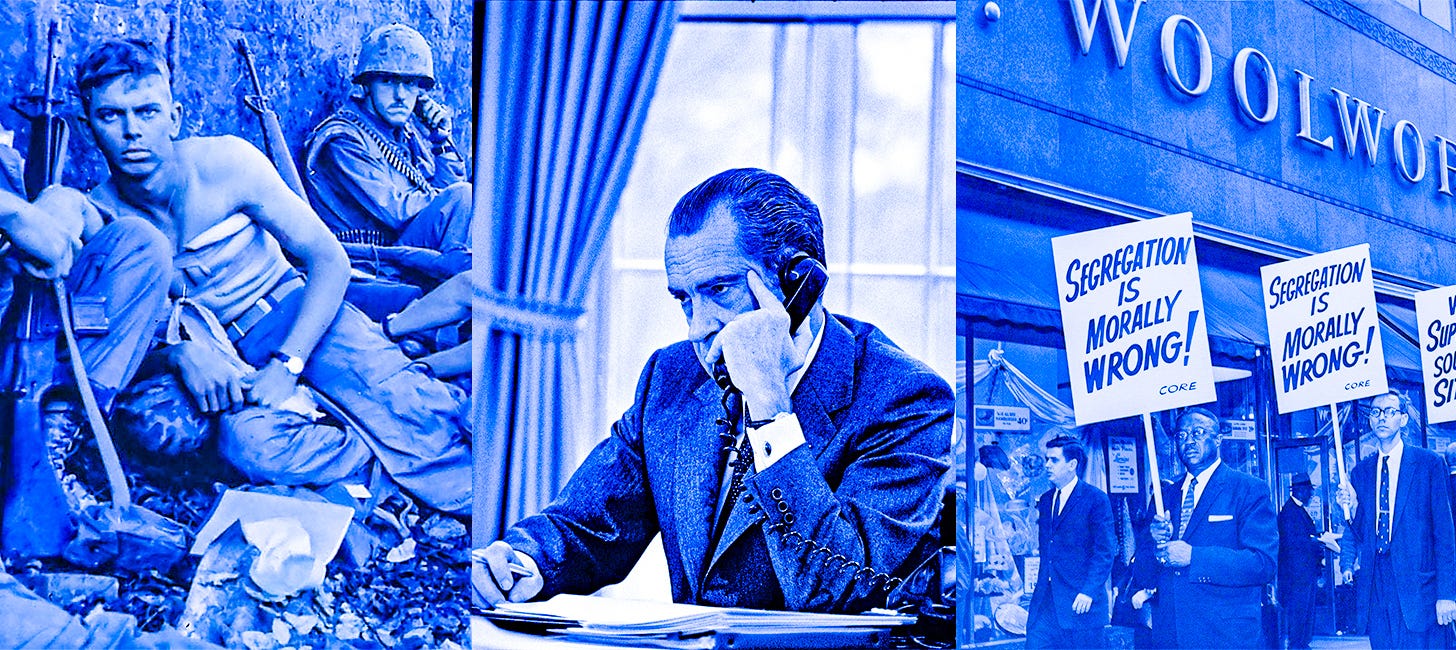
Jones didn’t recruit nihilists. He recruited idealists in mourning. People whose hope hadn’t died, but was orphaned and longed for somewhere to go. They still had all this capacity for belief and nowhere to put it. He offered something to believe in.
Heaven’s Gate peaked in the 1990s. Millennial anxiety and I don’t mean the generational demographic like myself, I mean actual end-of-millennium anxiety. The internet was making the world feel simultaneously infinite and hollow. Old certainties; religious, national, cultural, were dissolving faster than new ones could form. Applewhite offered a cosmological explanation for why you felt alien in your own life: because you were. Literally. You were a soul from another level of existence, temporarily housed in a human body, and the ship was coming. That’s not a crazy thing to believe when you feel crazy in your own skin.
Researchers who study cult recruitment have identified specific life transitions that create acute vulnerability.9 Divorce. Bereavement. Serious illness of yours or someone you love. Moving to a new city. Losing a job. Graduating and discovering that the structure you’d relied on for twenty-two years has evaporated. What these moments have in common is disorientation.
For the majority of people identity is largely constructed from external scaffolding; roles, relationships, routines, communities. When that scaffolding shifts or collapses, you experience something that feels like groundlessness. Like you’ve forgotten, temporarily, who you are. Into that specific gap, a charismatic community with total certainty about who you could be (who you were meant to be) is extraordinarily effective. In the context of a cult, they don’t recruit you like the Marines, they receive you.
This is called love bombing.10 The immediate, overwhelming experience of warmth, attention, and belonging that high-control groups offer to newcomers. It’s not coldly calculated, the members genuinely feel love for this new person who has found their community. But the effect is the same: you arrive empty, and you are filled. Your brain, already depleted by crisis, already desperate for relief, files this under safe. True. Home. Now everything that follows gets the benefit of that first impression.
Here’s the specific mechanism that makes churches uniquely dangerous when crisis meets charisma. Because religious communities don’t just attract people in crisis. They are purposely by design, crisis-processing centers.
What do churches offer at their best? Funerals. Hospital visits. Meals when you’ve had a baby or lost a spouse. A community of people who show up when the world stops making sense, offering confession, prayer, absolution. This is genuinely beautiful. It’s one of the reasons the religious community has persisted across every human culture in recorded history. We are creatures who need ritual and witness for our suffering. When a church is healthy, crisis brings people into community. Into a relationship with a body of people, a tradition, a theology that is larger than any one personality.
However, when a church has already been tilted by a charismatic leader, crisis brings people into dependency. Specifically, dependency on the leader, because the leader was the one who showed up. Who prayed over you. Who called when you were in the hospital. Who remembered your mother’s name. Who had the answer that nobody else could give you.
You were already chemically bonded to this person. And now they were there for you in your darkest moment. That’s one of the most powerful human bonds there is. Your crisis meets their presence. Your vulnerability finds their witness. It’s the same force at work that makes people fall in love with their therapists, doctors, or rescuers. It’s known as transference, and it is incredibly difficult to reason your way out of once it’s formed.
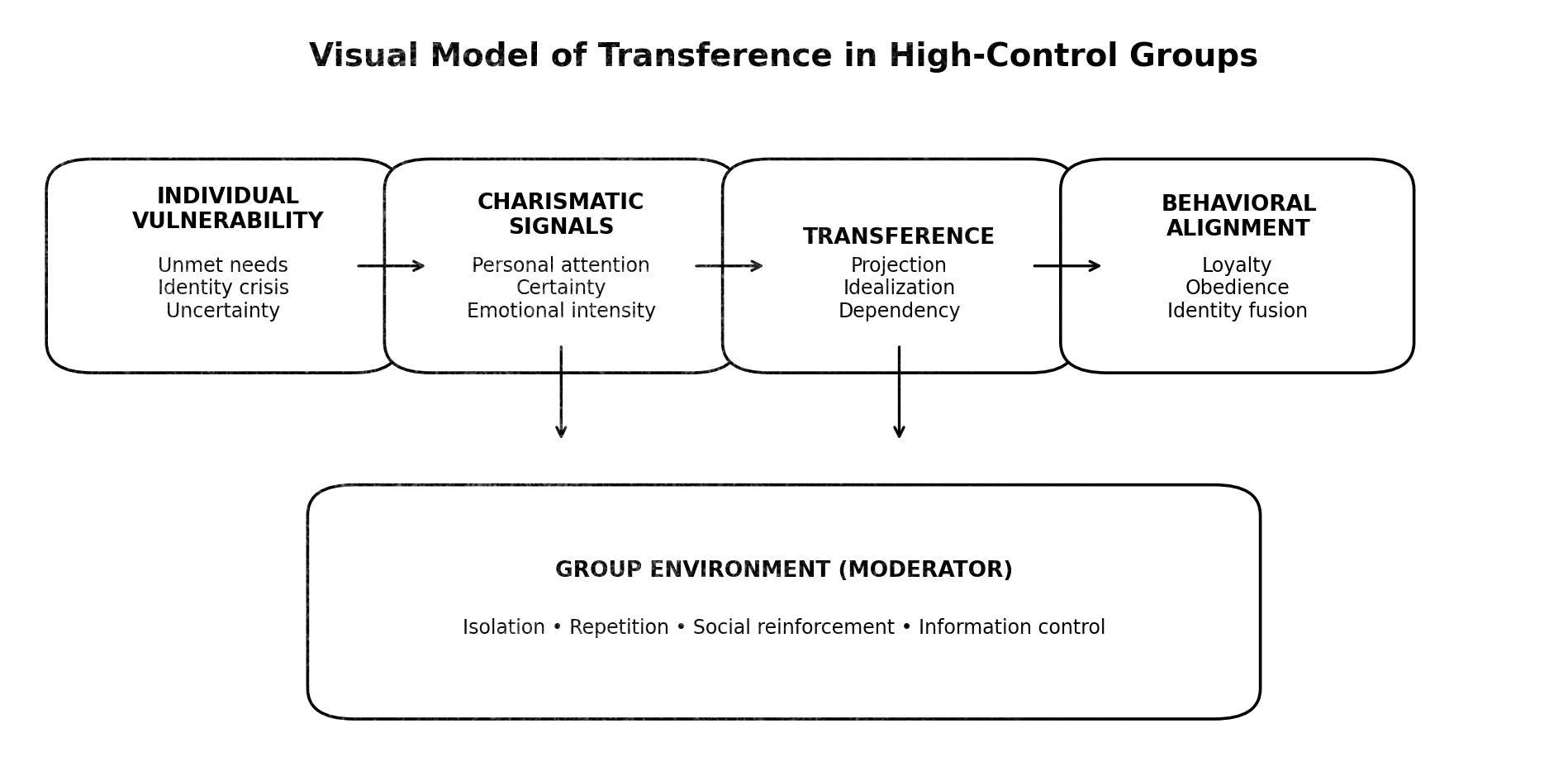
In a religious context this goes deeper. Many charismatic religious leaders respond to their followers crises and then proceed to interpret them. Your divorce, your cancer diagnosis, your bankruptcy, your depression, it gets folded into a larger narrative in which the leader is the translator. God is allowing this to refine you. God is breaking you open so He can rebuild you. This suffering is not random, it is preparation. And I am the one He sent to help you through it.
This reframing is, in certain circumstances, genuinely healing. The experience of meaning, even painful meaning is neurologically different from the experience of random suffering. Viktor Frankl built an entire school of psychology on this insight.
Yet, your crisis becomes evidence of the leader’s specialness. Your need for them has been elevated to the status of divine appointment. Leaving or even questioning isn’t only disloyalty to a community. It’s spiritual disobedience. It’s walking away from the thing God specifically put in your path.
Here’s the most insidious mechanism of crisis. Healthy communities help you through crisis. The goal is resolution. Healing. A return to stability. High-control groups (whether religious or secular) have a different relationship with crisis. They need it. Crisis is the fuel. Without it, the dependency weakens. Without it, people might start thinking clearly. So a charismatic leader, consciously or not, will tend to maintain a low-grade climate of crisis within the community. There is always an enemy. Always a threat. Always a reason the outside world cannot be trusted; and must not be. Always a new crisis that requires you to go deeper, give more, surrender another piece of the life you had before.
In Jonestown, Jones created what survivors describe as a permanent emergency. Random late-night meetings. Drills. Announcements of imminent persecution. White Nights, which were rehearsals for mass suicide, framed as loyalty tests, that happened repeatedly before the real one. By the time November 18th, 1978 arrived, the community had been so thoroughly marinated in manufactured crisis that the genuine article was indistinguishable from the rehearsal.
In churches, this is subtler. It looks like a culture of spiritual urgency, the sense that the stakes are always high, the enemy is always at the door, and now is not the time to be asking hard questions or pulling back your commitments. The mission is too important. The moment is too critical. Suddenly an attack against the pastor, becomes an attack against the church.
Some of the cues of this are when the sermons send you home activated rather than settled. When the community rewards emotional intensity and sidelines people who seem too calm, too skeptical, or too whole. Crisis, maintained at a low boil, is an extraordinary management tool. And the person who controls the temperature of the room controls everything in it.
One more detail related to crisis.
The crises that fuel cults used to be primarily external. Economic collapse. War. Cultural rupture. Things that happened to whole societies at once. Now, the crisis is ambient.
It lives in your phone. It appears in push notifications at 2 a.m. It is algorithmically calibrated to maintain exactly the level of anxiety that keeps you scrolling, because engagement and outrage run on the same neurochemical track.11 We are the first humans in history to live in a state of manufactured, continuous, low-grade existential crisis, delivered on demand, personalized to our specific fears.
The wellness cult knows this. The political movement knows this. The charismatic pastor with the podcast, large instagram following, conference, and book deal knows this.
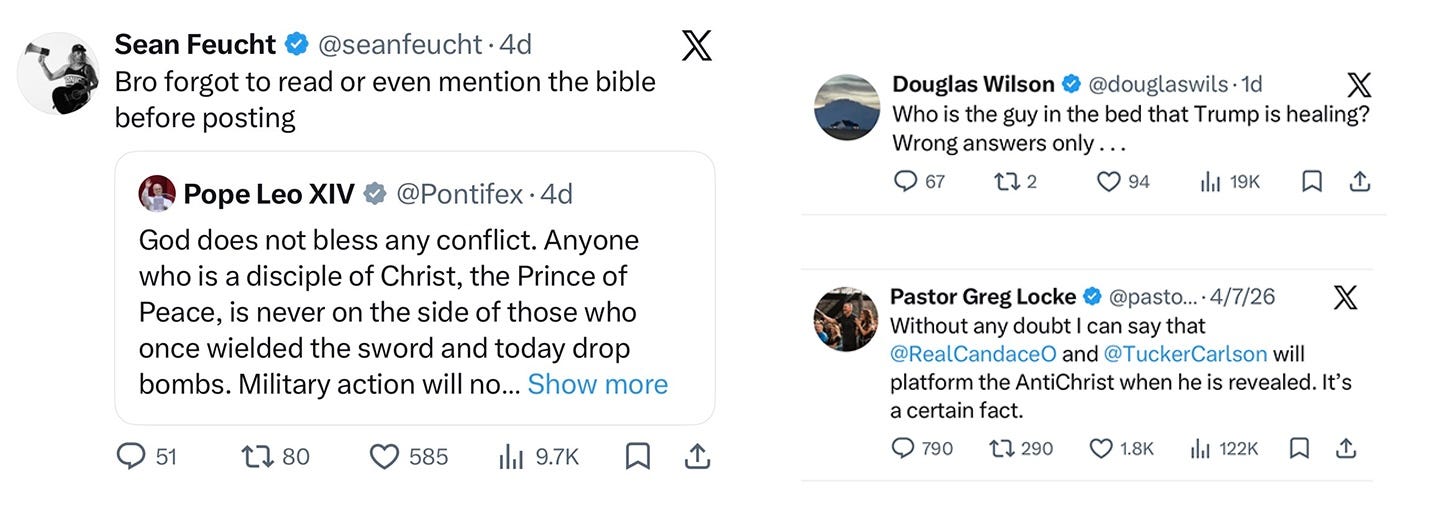
You don’t have to manufacture crisis anymore. The infrastructure of modern life does it for you. All you need is someone standing in front of it, saying: “I know what this means. I know what to do. Follow me.” Charisma is the match. Crisis is the tinder. But a fire needs one more thing to truly burn out of control. It needs to convince you that the flame is light.
Certainty
At a neurological level uncertainty is more that uncomfortable. It is painful. Brain imaging studies show that uncertainty and ambiguity recruit the same core threat-processing circuits in the brain, especially the amygdala.12 Your nervous system doesn’t make clean distinctions between types of threat. “I don’t know if that’s a predator,” “I don’t know if my marriage will survive,” or “I don’t know what happens when I die.” They all flip on the danger siren.
We are embodied creatures. The same system that once kept us alive in the wild still responds to uncertainty as something urgent, something that must be resolved. Ambiguity feels unsafe. And in a world shaped by the Fall, that response often gets misdirected. In the wild, hesitation could cost you your life. The people who survived were often the ones who acted quickly, who committed to a story and moved, they didn’t sit and ponder what kind of lion this was. Though we may no longer be in the wild, the same instinct is there. We don’t just want answers. We need them. We rush to resolve uncertainty, even if the answer isn’t true.
Jim Jones claimed he could heal cancer. He staged dozens of fake healings. Paid actors. Carefully choreographed moments where someone threw away their crutches, where a tumor (actually a piece of chicken liver produced from beneath a robe) was held up as the thing that had been living inside someone’s body. And thousands of people saw it.
Were they stupid? Were they uniquely credulous?
No. They were people in pain, watching something that looked like proof, delivered by someone they had already chemically bonded with, inside a community that had become their primary source of belonging. When all of those forces align, the critical faculty doesn’t just lower its guard, but actively assists in the deception. Your brain, already committed to the leader, will work to make the evidence fit. Your mind quickly fills in the gaps.

Psychologists call this confirmation bias. In the context of a high-control group, it becomes something more like confirmation compulsion. You are not just inclined to believe. You are motivated to protect the belief because the alternative, that you were wrong, that you gave years of your life to something false, is a grief too large to approach directly.
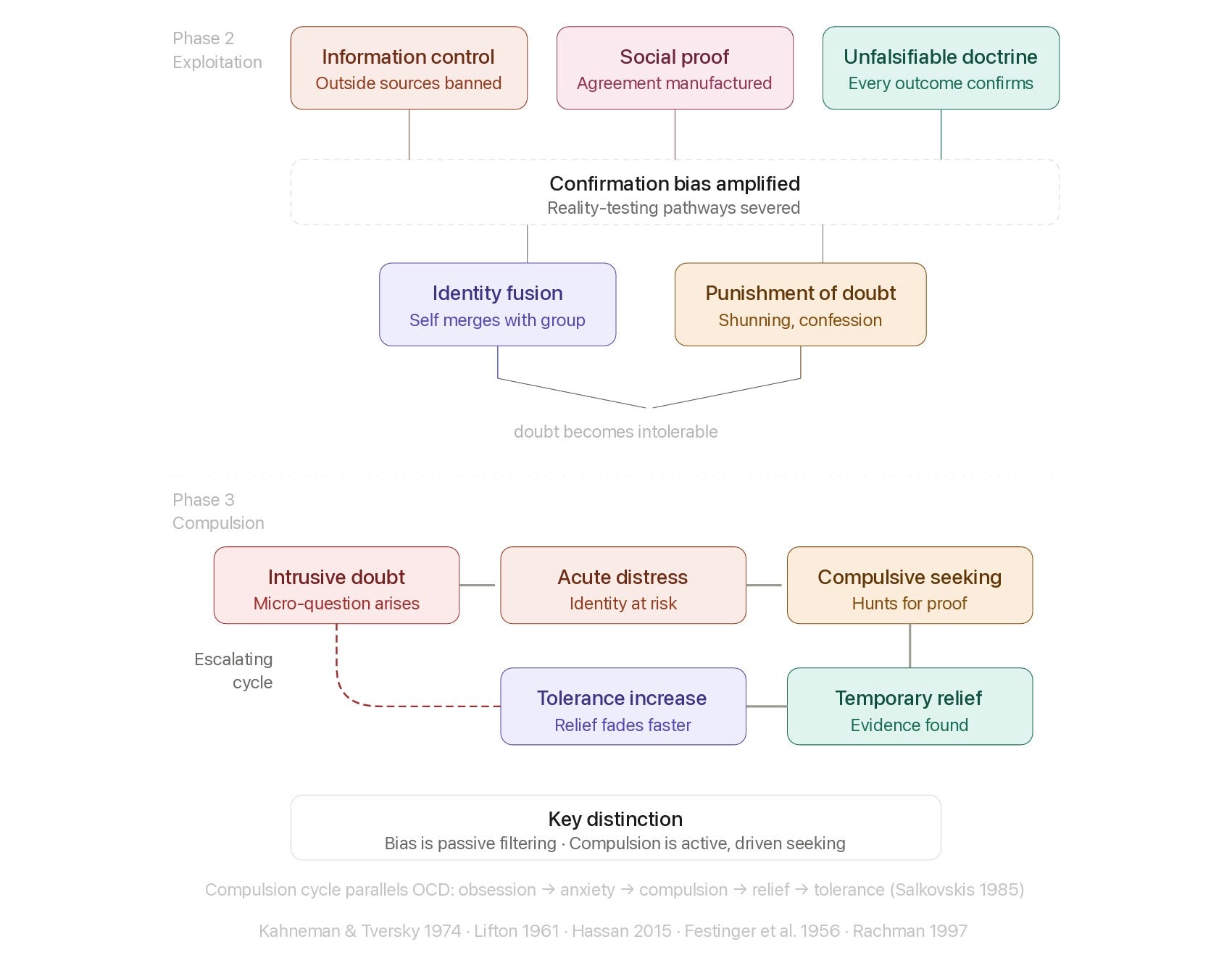
Heaven’s Gate went further. Applewhite built a system. A full galactic architecture with its own logic. Diagrams. A glossary. A precise account of how the universe was structured, how souls were seeded on Earth, what the Next Level was, how the spacecraft worked, and what happened at the appointed time. It was specific and detailed. You could study it. You could argue within it. You could become expert in it. That specificity was the trap.
Because once you have invested significant time and effort in understanding a complex system, you have a sunk cost working against you. Leaving doesn’t just mean abandoning a belief. It means abandoning an expertise. An identity. A framework through which you understand everything. Sunk cost is the reason some of you still have a box of beanie babies in your attic.
In a religious context, doubt becomes weaponized. In a secular cult; a wellness community, a political movement, a self-help empire, if you express doubt, they have to handle it somehow. They might gaslight you. Isolate you. Pressure you socially. But they don’t have a theological framework that defines your doubt as morally wrong. Religious high-control groups do.
Doubt, in a healthy theological tradition, is treated as part of the journey. The mystics wrote about dark nights of the soul. The Psalms are full of anguished, unanswered questions hurled at a silent God. Doubt is not the opposite of faith but what faith is made of.
In a high-control religious environment, doubt gets redefined. It becomes evidence of spiritual weakness, insufficient surrender, or a foothold for the enemy; whatever the enemy is called in that particular theology. Satan. The world. Fear. Low vibration.
The message, delivered is that: your doubt is not information. Your doubt is a symptom. And the cure is more surrender. More trust. More commitment to the leader who is strong where you are weak.
This closes the loop entirely. Because now the very faculty you would use to evaluate the situation; your critical mind, your uncertainty, your instinct that something is wrong, has been pre-labeled as the problem.
Not only should you distrust your doubt. You should be ashamed of it. And shame, unlike doubt, does not push you toward investigation. Shame pushes you inward and downward. It makes you smaller. It makes you need the community more, not less, because the community is the only place where you can confess the doubt and have it taken away.
In healthy institutions whether religious or secular there are mechanisms for challenging authority. Appeal processes. Boards. The ability to go above someone’s head. The ability to leave and be okay. In a high-control religious group, these mechanisms get dismantled one by one. Rarely all at once. Usually across years, so gradually that each individual change seems like a minor adjustment.
Dissent becomes disloyal. Then, disloyalty becomes spiritual rebellion. Then, spiritual rebellion becomes dangerous; to you, to the community, to the mission.
After a while leaving becomes something people don’t do. Not because there are locks on the doors. But because what awaits outside has been so thoroughly poisoned in the community’s imagination that it doesn’t feel like freedom. It feels like exile.
Former members of Mark Driscoll’s Mars Hill describe a culture in which questioning leadership in any form (even privately, even among trusted friends) could result in formal church discipline. Being marked. Brought before elders. Required to confess and repent of your skepticism as though it were sin. Think about what that does to a person’s internal life? Every doubt becomes a private emergency. Every hesitation becomes evidence of your own corruption. Your inner world, the place where healthy people process uncertainty, possess a locus of control, and arrive at their own conclusions, becomes a minefield.
So, what do you do? You stop thinking. Because thinking hurts. And when thinking hurts, certainty feels like relief. Certainty becomes the mechanism that makes this self-perpetuating. After enough time inside a high-certainty system, the certainty stops being something you have and becomes something you are. Your worldview, your social world, your language, your daily rhythms, your understanding of history and morality and your own past, all of it has been filtered through and organized by this framework. You don’t just believe it. You think in it. Which means an attack on the belief is experienced as an attack on the self and the self defends.
This is why former members often describe a period of profound disorientation after leaving, sometimes lasting years. It’s not just grief for the community, though that’s real. It’s the experience of having to rebuild cognition from the ground up. Of learning to tolerate uncertainty again, in a nervous system that has been trained, over years, to treat uncertainty as emergency.
Steven Hassan, one of the foremost researchers on cult recovery, describes it as the existence of two selves within a cult member: the authentic self; the person they were before, with their own preferences, doubts, values, and humor, and the cult self, the identity constructed by and for the group.13
This not a historical curiosity of something people in the past were susceptible to, that we regard in chronological snobbery;14 it is a present reality. We live in what you could call a certainty market. On one side: a population experiencing unprecedented levels of ambient uncertainty, information overload, institutional distrust, and meaning deficit. On the other side: an explosion of charismatic figures across religion, wellness, politics, finance, self-help, fitness, offering complete, confident, actionable frameworks for understanding everything.
The market is enormous. The suppliers are sophisticated. And the barriers to entry have never been lower. You used to need a physical space to build a high-control group. A church. A compound. A commune. You needed bodies in a room. Now you need a smartphone and a consistent brand aesthetic.
The wellness leader sells you a protocol. A complete one; sleep, diet, supplements, mindset, community, morning routine. Every variable in your life has an answer. The certainty is comprehensive. The political movement gives you an epistemology. Not just policies (a way of knowing what’s true), but a designated set of sources to trust and a longer list of sources to dismiss. Once you’ve adopted the epistemology, new information gets sorted automatically. Anything that confirms the framework is a signal. Anything that challenges it is propaganda.
The megachurch (that lacks humility and accountability) gives you a God who is specific, personal, and conveniently interpretable only through the pastor standing between you and Him. The group changes but the function stays the same. Complete certainty. Delivered with charisma. Into a crisis that has left you raw and open and desperate for solid ground.
Here is the hard reality of solid ground.
There is no solid ground, at least not the kind they’re selling.
The actual human condition, the one every philosophical tradition, every serious theology, every honest scientist will confirm, is one of irreducible uncertainty. We do not know fully what consciousness is. We do not know what happens when we die. As a Christian I have a belief system of what happens, but I can’t fully prove it to you, it requires faith. I wholeheartedly believe we spend eternity with God, but I can’t give you undeniable proof. We do not know, with anything approaching completeness, why we suffer. This is not a failure of knowledge that will eventually be corrected while we are breathing. It’s simply the passport stamp for being alive.
And the capacity to remain present and functional and even joyful inside that uncertainty; to tolerate the groundlessness without filling it with something false, is one of the hardest things a human being can do. It is also, the evidence suggests, the only way to stay free. Because the moment you trade uncertainty for certainty, the moment you accept someone else’s complete answer in exchange for the discomfort of your own incomplete question, you have handed them something you may not get back easily.
You have handed them the inside of your mind. And the lock clicks shut. This is how the three ingredients complete their work. Charisma opens the door. You feel seen. You feel safe. Your neurochemistry bonds before your reason can intervene. Crisis gets you through it. You were already looking. Already depleted. Already willing to try something you might have questioned in a more settled moment. Certainty then locks the door behind you. It gives you a framework so complete, so satisfying, so load-bearing in your daily life, that dismantling it would mean dismantling yourself. Then somewhere in there, at a moment you can never quite identify later, the community stopped being something you belonged to and became who you were.
The fire didn’t feel like you were burning. It felt like warmth.
Why This Keeps Happening
Here’s the part I wish wasn’t true.
These three ingredients (charisma, crisis, certainty) aren’t going away. If anything, the conditions for cults are improving. We are living through one of the most prolonged periods of institutional distrust in recorded history. Trust in major institutions like government and media has declined globally, with growing fragmentation and loss of shared authority across countries.15 We are simultaneously more connected and more lonely than any humans who have ever lived. Social media gives you the sensation of community while systematically replacing the depth of it. We are drowning in information that rather than producing clarity produces a permanent, low-grade hum of uncertainty. About your health. About the economy. About what you should eat, believe, vote for, fear.
You could not design a better petri dish. And so new forms keep emerging. The wellness cult doesn’t have a compound. It has a Substack and a supplement line. It recruits not with promises of salvation but with before-and-after photos and a waiting list for the online community. The political cult doesn’t call itself a cult. It calls itself a movement. A tribe. The only people who see what’s really going on. The guru doesn’t wear robes. He has a podcast. She has a retreat in aspen. They have a framework—a proprietary, trademarked, certified framework, for becoming your highest self all for under 2k.
Here’s where I want to leave you.
The question is not: how could those people have fallen for that?
The question is: what are the crises in my own life that I haven’t fully reckoned with?
Because that’s the open door. That’s where the charismatic figure walks in.
The person who feels lost after a career collapse is not weaker than you. The person who joins a community after a devastating breakup is not more naive than you. The person who finds themselves, slowly, over years, adopting the complete worldview of a single leader they trust absolutely; that person started somewhere recognizable.
They started uncertain.
Researchers who study cult survivors use a framework called the BITE model: Behavior, Information, Thought, and Emotional control.16 The defining feature of a high-control group isn’t one dramatic moment of coercion. It’s a slow accumulation of small surrenders, each one individually reasonable, collectively devastating.
You don’t wake up and decide to join a cult. You decide to attend one more meeting. To try the protocol for thirty days. To give the community a chance. To trust, just this once, someone who seems to have answers you don’t. And at each step, that seems reasonable. Until it isn’t.
918 people died in Jonestown. Most of them had joined Peoples Temple because it was, genuinely, one of the most racially integrated, socially progressive communities in the 1960s. They were idealists. They were people who wanted to be part of something larger than themselves. That impulse to belong, to believe, to be certain is not pathological, it’s human.
Janja Lalich, Bounded Choice: True Believers and Charismatic Cults (Berkeley: University of California Press, 2004)
Tim Reiterman, Raven: The Untold Story of the Rev. Jim Jones and His People (New York: Dutton, 1982)
Eerie fact both Jones and Applewhite were born in May 1931, four days apart.
Robert W. Balch and David Taylor, Heaven’s Gate: America’s UFO Religion (New York: New York University Press, 2003); see also “The Cult of Cults,” The New York Times, March 29, 1997
For a deep dive check out, The Rise and Fall of Mars Hill, hosted by Mike Cosper, Christianity Today, June 2021–November 2022, https://www.christianitytoday.com/ct/podcasts/the-rise-and-fall-of-mars-hill/.
John Antonakis, Marika Fenley, and Sue Liechti, “Can Charisma Be Taught? Tests of Two Interventions,” Academy of Management Learning & Education 10, no. 3 (2011); Tanya L. Chartrand and John A. Bargh, “The Chameleon Effect: The Perception–Behavior Link and Social Interaction,” Journal of Personality and Social Psychology 76, no. 6 (1999)
Nicholas Epley and Thomas Gilovich, “The Mechanics of Motivated Reasoning,” Journal of Economic Perspectives 30, no. 3 (2016)
I do not believe there is anything inherently wrong with megachurches. I have worked in megachurches, rather they are just more susceptible, when proper boundary markers are not in place.
Lalich, Bounded Choice.
This term first emerged in the 1970s. The idea was used by Sun Myung Moon the leader of the Unification Church of the United States, He used it in reference to his members known as Moonies.
Interesting article on the topic, Hutchinson, Andrew. “Engagement-Based Algorithms Are Causing Social Division. But Is There an Alternative?” Social Media Today, September 28, 2025.
Hur, J., et al. “Anxiety and the Neurobiology of Temporally Uncertain Threat Anticipation.” Biological Psychiatry 88, no. 8 (2020)
Hassan, Steven. Combating Cult Mind Control. 3rd ed. Newton, MA: Freedom of Mind Press, 2015.
Thanks, CS.
Edelman, 2026 Edelman Trust Barometer: Global Report (New York: Edelman Data & Intelligence, 2026); Gallup, “Confidence in Institutions,” 2024.
Hassan, Combating Cult Mind Control.