

The Tithe Is Younger Than the Lightbulb

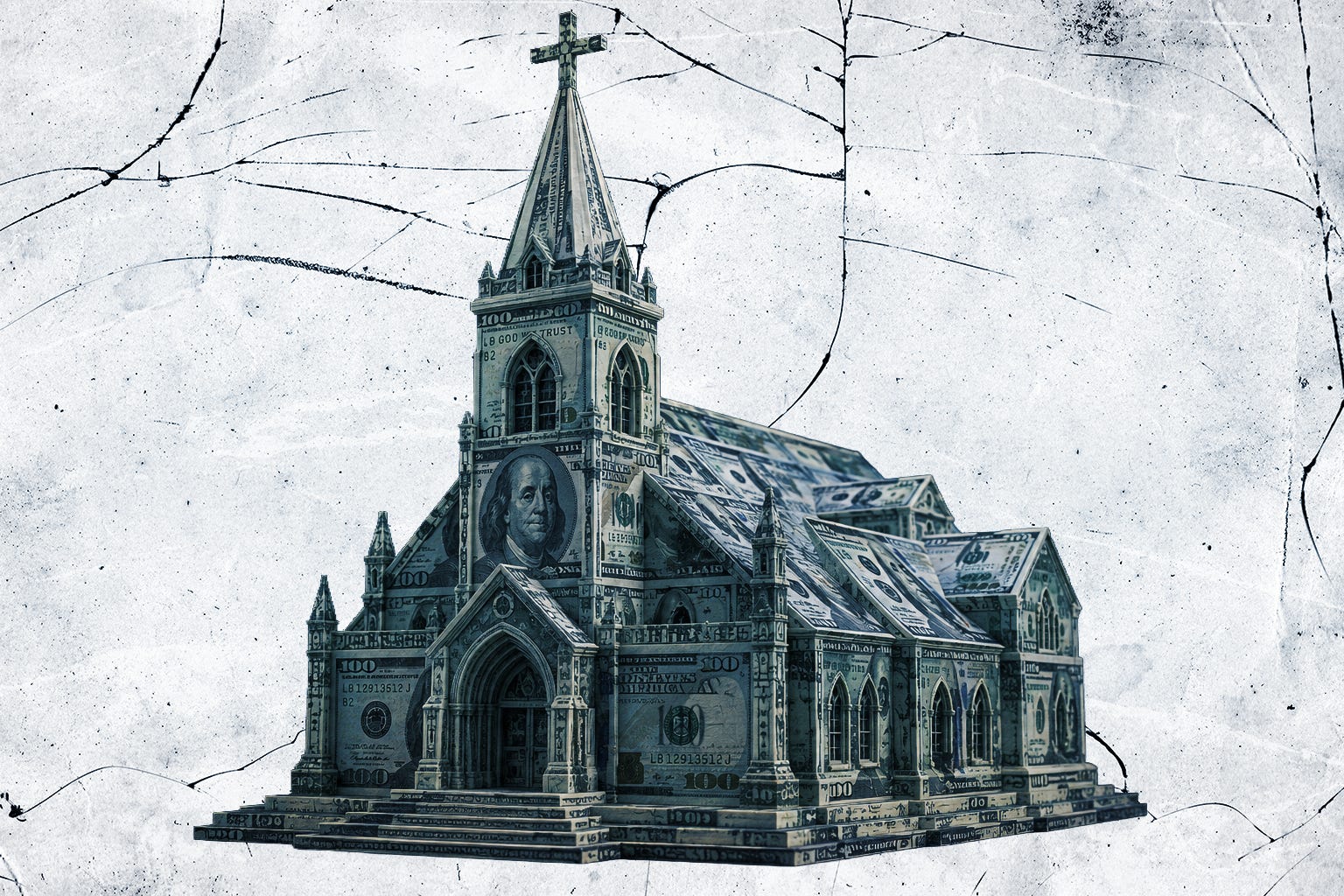
The Tithe
The verse will be read in thousands of sanctuaries this weekend. A man will step up to a pulpit, lectern, or music stand and open to the last book of the Old Testament. He will ask the congregation whether they would dare to steal from God? Then he’ll read from the prophet Malachi,“Will a man rob God? Yet you are robbing me.” He will let it land, take a moment for a pastoral pause and then offer the relief. Bring the full tithe into the storehouse. Ten percent, off the top, the first fruits, to the (this) local church, and the windows of heaven will open. Withhold it, and you are a thief standing in the house of the one you robbed.
I have been in ministry for sixteen years and taught theology for eleven, and few verses carry the guilt that this one has been delivered with. I have seen a single mother do the math on whether to tithe or buy her 7th grader new shoes for school. I have watched multiple retired couples on a fixed income hand over money they needed for groceries because a preacher told them God would be robbed otherwise. I have felt the uneasiness of working on a church staff that checked your tithing records.
However, the Bible never commands you to give ten percent of your income to your church. There is no such directive in the Old Testament, none in the words of Jesus, nor in the letters of Paul. The ten percent rule as it is preached today is not apostolic; it’s medieval, and not in the Pulp Fiction sense, but the historical one. The verse used to enforce it found in Malachi is being asked to do work it was never written to do (sort of like that clause at the bottom of your job description—and other duties as assigned).
This is a large, seemingly ostentatious, and probably odd claim for a pastor to make, so, let me explain. This article is not going to be anti-giving to churches. Nor are the people who preach tithing liars, many are Godly and yes, some are greedy. but I am not trying to sort out the sheep from the Gucci. Rather the goal is to look at how we got here and how we move forward with a clear conscience.
What the tithe actually was
When Israel tithed, what did they actually hand over? The answer: it wasn’t money.
The tithe in the Law of Moses was an agricultural one. Leviticus 27 tells us, “Every tithe of the land, whether of the seed of the land or of the fruit of the trees, is the Lords… Every tenth animal of all that pass under the herdsman’s staff shall be holy to the Lord.” Grain, fruit, oil, wine, cattle, sheep; that was the tithe. What you will immediately notice is that all these items relate to food and that it was required from those individuals whose wealth could be measured in harvest.1
To be fair, there was a provision for converting produce to silver. If a man wanted to redeem part of his crop tithe, he could pay the value of the crop in silver plus an added fifth, a penalty for the convenience (so, that’s where the Ticketmaster fee is from).2 Money only entered the picture as a substitute for the produce, and it would cost extra. The tithe itself was never a percentage of wages, but a portion of the farm.
Which meant the carpenter, fisherman, or tent maker did not tithe. The tither was the landholder or tenant farmers,3 and what he tithed was produce and animals. When a preacher tells a nurse or a plumber or a schoolteacher that they owe God ten percent of their paycheck, he is applying an ancient agricultural levy to a category of income the Law wasn’t addressing. The Torah did not demand a tithe on a salary.
Which tithe do you mean?
So far we have been talking about what the tithe was made of. The harder question is how many times it came off the same harvest. Here is where the standard sermon on tithing departs from exegesis. There wasn’t one tithe in Israel and by some counts there was three (spoiler alert they did not add up to ten percent).
🔒Yes, I see the irony of putting a paywall on an essay about religious money. So here’s my pitch. Upgrading will not open the windows of heaven. I asked Peter. He said no go, and told me to work on my irons. What it opens is where I show my work (this is an extensive article, so pour a large cup of coffee), and you get the receipts (as the kids say) for something you can take with you on Sundays, not to shove in any pastors face, don’t do that or I will tell Peter; but to hold onto for your own peace.
And if seven bucks is not in the budget right now, email me at hello@theologymade.com with “tithe” in the subject line and I will send you the whole thing free. No explanation needed, I won’t ask, and I won’t put you on a list.
