
The New Paganism: How Secular Culture Rebuilt the Altars We Tore Down

We didn’t lose religion. We just swapped gods.
Step into Bloomberg’s financial office in London and beneath your feet is where the Roman Temple of Mithras once stood. One temple exchanged for another. The gods of old were not buried as arcane myths, but domesticated and reimagined.
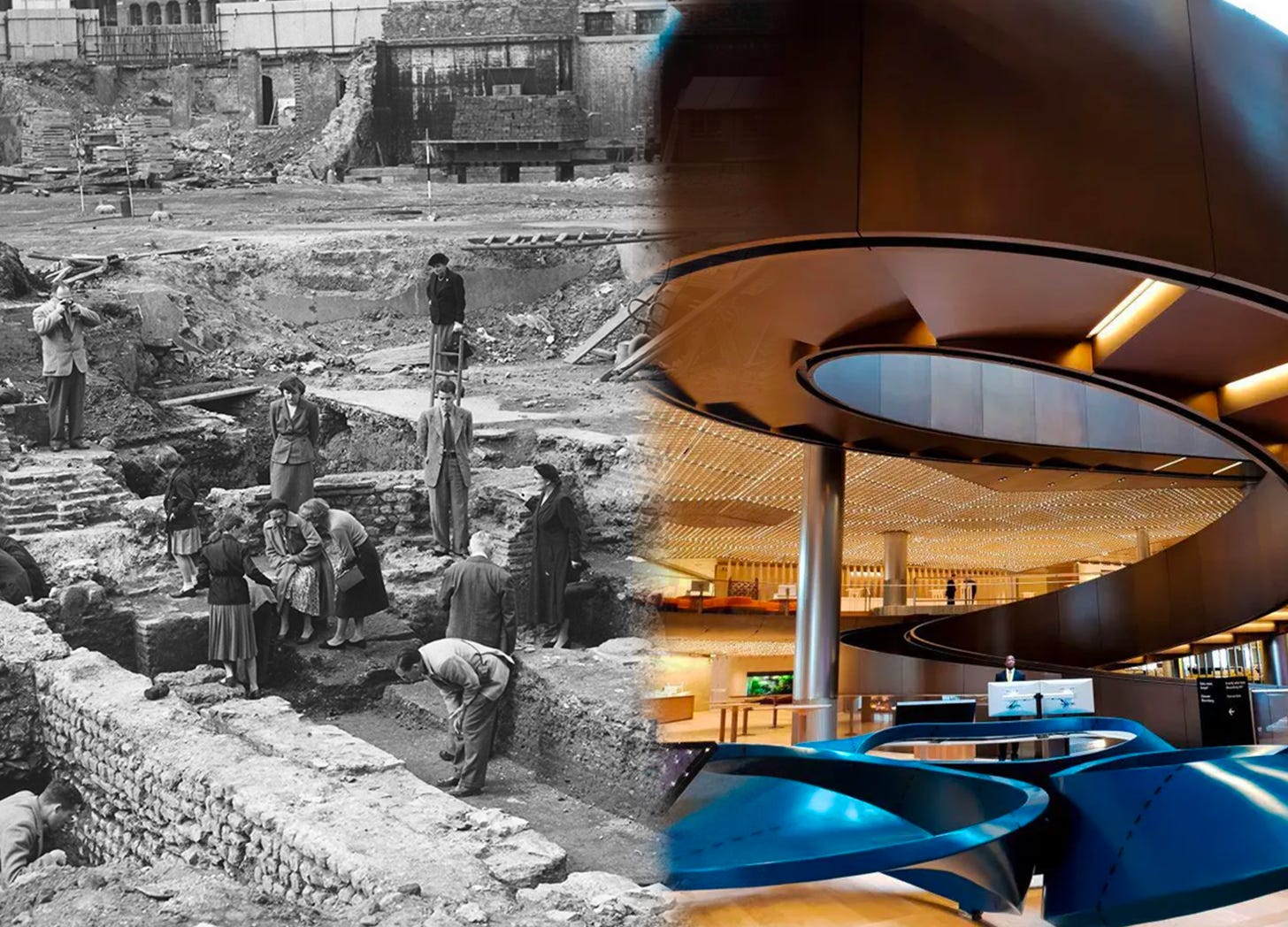
The Enlightenment promised freedom from superstition, and modernity pulled the curtain down. Churches became symbolic. Sacraments became rituals. Pagan temples became historical sites. But over time culture couldn’t resist the pull. Incense was traded for innovation, sacrifices for smartphones, and the cathedral for the stadium (particularly ones with Taylor Swift in it).
And somewhere between the yoga floor and the Apple Store, something happened. The world that was supposedly disenchanted started its subtle seduction again.
You can feel it, even if you can’t see it. The murmuring ache of people searching for transcendence everywhere but the Church.
The influencer who baptizes her lifestyle brand in spiritual language. The entrepreneur who calls his morning routine a “sacred ritual.” The activist who talks about justice like it’s a new religion, complete with saints, heretics, and crusades.
We live in a supposedly secular age, yet our culture has never been more religious. We’re surrounded by rituals, priests, and sacrifices; we just stopped calling them that. The old gods got Botox and have been rebranded.
How We Tried to Banish the Sacred
When Enlightenment thinkers declared that reason would replace revelation, they weren’t being malicious. They were tired of superstition and wars waged in God’s name. They saw the blood spilt, the relic economy fall, and thought, maybe there is a better way? ‘Cogito, ergo sum1’ became the motto. They believed the human mind could build a better world if only it could escape the shadow of the divine. They weren’t trying to eliminate religion, they only wanted to demythologize it.
Spinoza treated Scripture as a historical text analyzed like any other book2.
Locke emphasized faith’s moral usefulness over miracles or mysteries3.
Voltaire mocked superstition but still affirmed a Creator and moral lawgiver4.
Kant argued that true religion is the moral law “within,” not external ritual5.
But when you attempt to domesticate the sacred, you are not left with neutrality.
Friedrich Nietzsche saw it. “God is dead,” he wrote. He didn’t say that to be disdainful, or for shock value; it was a diagnosis. He knew killing God meant killing meaning, and that the vacuum left behind would demand to be filled. “Must we ourselves not become gods simply to appear worthy of it?6”
The prophecy came true. We replaced God with the self.
We traded the Apostles Creed for one of our own.
I believe in being true to myself,
To follow the almighty heart,
Creator of dreams, in present and future
love is love, for your truth will set you free.
Romans 1 clued us in 2000 years ago, “They exchanged the truth of God for a lie, and worshiped and served what has been created instead of the Creator, who is praised forever. Amen.7” When we stop worshipping the Creator, we start worshipping creation.
The Rise of New Altars
Think about your average day. At the gym, the mirrors replace icons and bodies become sacraments. Liturgy covers the walls, “progress is perfection.” “Strong is the new beautiful.” “The body achieves, what the mind believes.” At the office, productivity promises redemption, burnout feels like penance, and purgatory is joining a Teams meeting too early, and it’s just you and Cheryl.
On social media, our followers are our congregation and validation our communion. At brunch, the avocado toast, Bloody Mary’s, and song ‘Espresso’ playing in the background remind us to manifest our reality. Carpenter’s song that hit 1 billion streams was written she said, as a ‘manifestation tactic.8’
We don’t call it worship, but our calendars and credit cards tell us something else. We offer time, money, and energy to forces promising meaning.
We participate in liturgies of consumption, confession, and conversion, streamlined for modern convenience. As Calvin said, “Man’s nature, so to speak, is a perpetual factory of idols9.” The idol factory never closed; it just went digital. We thought we were evolving past religion. But maybe we’ve just returned to the oldest one of all.
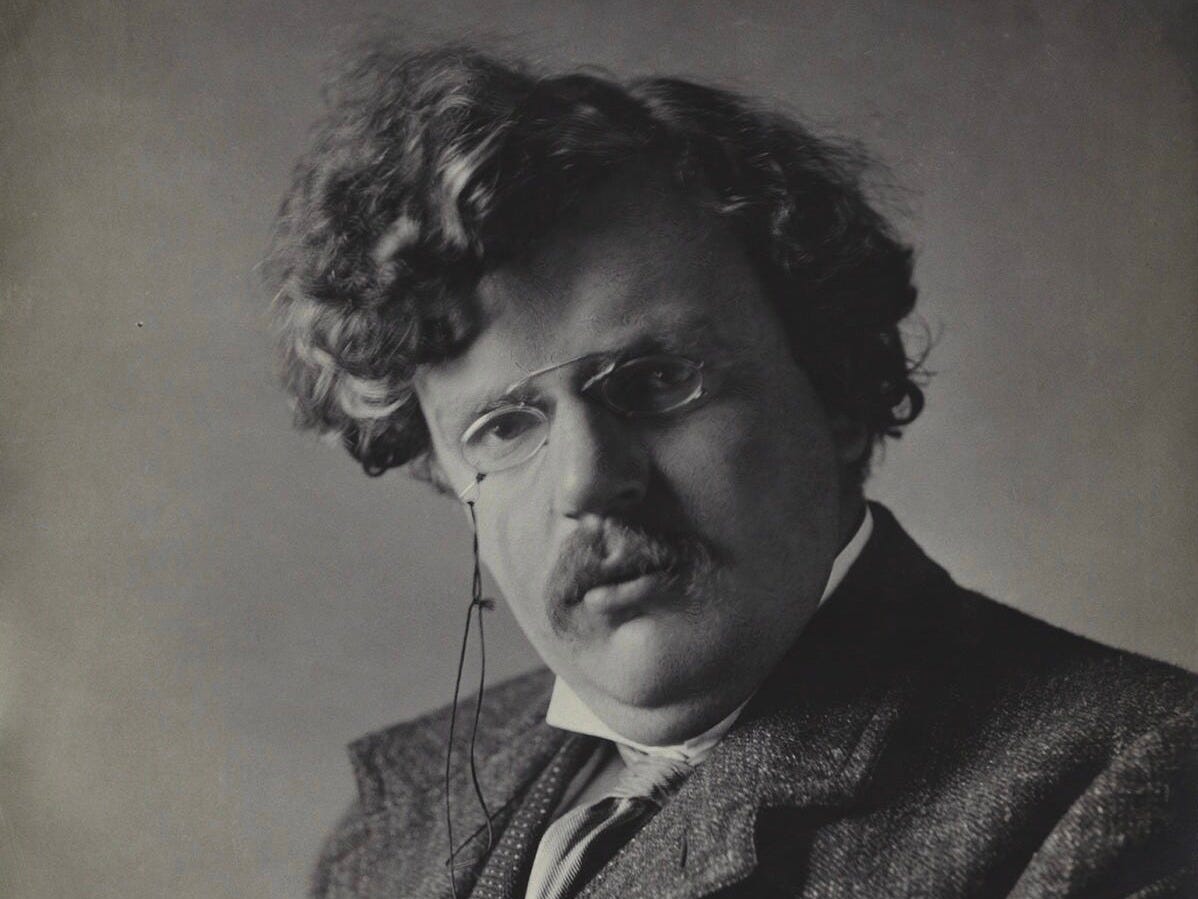
“Human beings are incurably religious,” paraphrasing G.K. Chesterton. “If they do not worship God, they will worship something else10.”
That “something else” now has infinite forms and options available to us: productivity, pleasure, politics, identity, fandom, technology. Each offers salvation on its own terms. Each demands sacrifice.
The gods have multiplied, and they are hungry.
